
_edited.png)
Exploring the Benefits of Stress Relief Yoga
- Marie Benjamin

- Nov 17, 2025
- 5 min read
In the rush of daily life, it’s easy to feel like you’re carrying the weight of the world on your shoulders. I’ve been there too—caught in the whirlwind of deadlines, expectations, and the constant hum of “doing.” What I’ve learned along the way is that slowing down isn’t just a luxury; it’s a vital act of self-care. Yoga for stress management has been a gentle, steady companion on this journey. It’s not about perfect poses or pushing harder. It’s about creating space to breathe, to feel, and to heal.
When you step onto your mat, you’re not just moving your body—you’re inviting your mind and heart to settle. This practice offers more than flexibility or strength; it offers a path back to yourself. Let’s explore how yoga can be a powerful tool for managing stress, nurturing resilience, and reclaiming your joy.
How Yoga Supports Emotional Healing and Balance
Yoga is often seen as a physical practice, but its roots run deep into emotional and mental well-being. When you move mindfully, you’re tuning into your body’s signals—those subtle whispers that often get drowned out by the noise of everyday life. This awareness is the first step toward healing.
Through gentle stretches and breath work, yoga helps release tension stored in muscles and joints. Think of it as untying knots that have formed from prolonged stress. This physical release often mirrors emotional release, allowing feelings that have been held inside to surface and soften.
Here are some ways yoga supports emotional healing and balance:
Mindful breathing slows down your nervous system, reducing anxiety and calming the mind.
Grounding postures help you feel more connected and stable, especially during overwhelming moments.
Restorative poses encourage deep relaxation, inviting your body to rest and repair.
Consistent practice builds resilience, teaching you to respond to stress with greater ease over time.
By embracing yoga as a holistic practice, you’re not just managing symptoms—you’re nurturing your whole self.
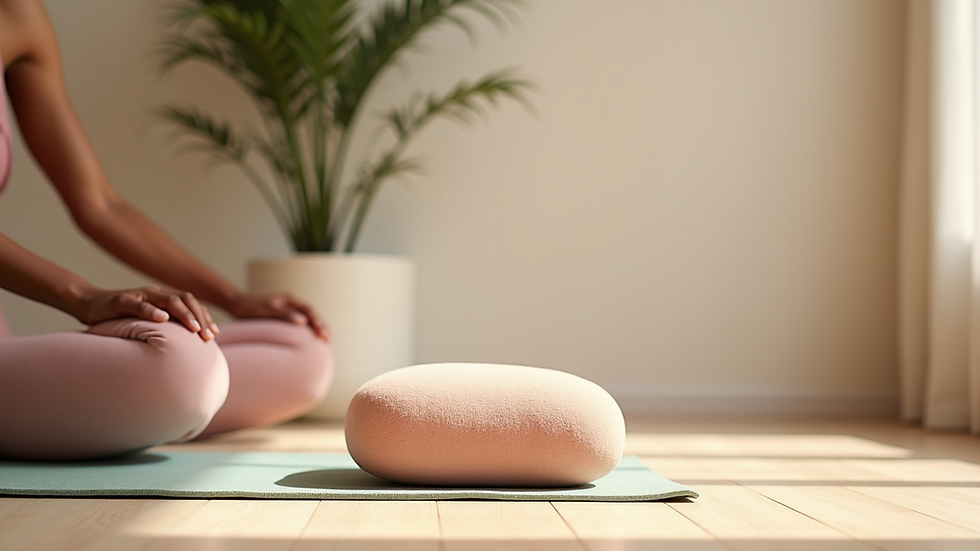
Yoga for Stress Management: Practical Tips to Get Started
If you’re new to yoga or returning after a break, it’s important to approach your practice with kindness and curiosity. You don’t need to be flexible or fit to benefit from yoga’s calming effects. What matters most is your intention to slow down and listen.
Here are some practical tips to help you begin or deepen your yoga for stress management:
Create a quiet space where you won’t be disturbed. It can be a corner of your room or even a spot outside.
Start with short sessions—even 10 to 15 minutes can make a difference.
Focus on breath. Try simple breathing exercises like deep belly breaths or alternate nostril breathing.
Choose gentle poses such as Child’s Pose, Cat-Cow, or Legs-Up-The-Wall. These support relaxation without strain.
Use props like blankets, blocks, or cushions to make poses more comfortable.
Listen to your body. If something doesn’t feel right, modify or skip it.
End with a few minutes of stillness or guided meditation to absorb the benefits.
Remember, yoga is a personal journey. There’s no right or wrong way to practice. The goal is to cultivate a sense of ease and presence.
Does Yoga Really Relieve Stress?
You might wonder if yoga’s reputation for stress relief is more than just a trend. The answer is a heartfelt yes. Science and lived experience both affirm yoga’s ability to soothe the nervous system and foster emotional well-being.
When you practice yoga, your body shifts from the fight-or-flight mode—triggered by stress—to the rest-and-digest state. This shift lowers cortisol levels, the hormone associated with stress, and boosts feel-good neurotransmitters like serotonin and GABA.
Beyond the biology, yoga offers a mental refuge. It teaches you to observe your thoughts without judgment, creating space between stimulus and reaction. This pause is where true stress relief begins.
Many people find that regular yoga practice helps them:
Sleep better and wake up feeling more refreshed.
Manage anxiety and depressive symptoms with greater ease.
Improve focus and mental clarity.
Feel more grounded during challenging situations.
The beauty of yoga is that it meets you where you are—whether you’re facing acute stress or chronic overwhelm. It’s a tool you can carry with you, on and off the mat.

Embracing Inclusivity and Healing Through Yoga
One of the most powerful aspects of yoga is its adaptability. It’s a practice that welcomes all bodies, backgrounds, and experiences. Healing looks different for everyone, and yoga honors that diversity.
At its core, yoga is about reclaiming your own power and joy. It’s not about fitting into a mold or achieving a certain look. It’s about meeting yourself with compassion and curiosity.
If you’ve experienced trauma, yoga can be a gentle way to reconnect with your body and rebuild trust. Trauma-informed yoga practices prioritize safety, choice, and empowerment. They encourage you to move at your own pace and honor your boundaries.
Here are some ways to make your yoga practice more inclusive and healing:
Seek out teachers who understand trauma and cultural sensitivity.
Use language that feels nurturing and non-judgmental.
Adapt poses to suit your body’s needs and limitations.
Incorporate breath and mindfulness techniques that feel grounding.
Create a community space where everyone feels seen and supported.
Yoga can be a bridge to resilience—a way to nurture your spirit even when life feels heavy.
How to Integrate Stress Relief Yoga Into Your Daily Life
Incorporating stress relief yoga into your routine doesn’t have to be complicated or time-consuming. Small, consistent steps can create lasting change.
Here’s how you can weave yoga into your everyday life:
Morning ritual: Start your day with a few gentle stretches and mindful breaths to set a calm tone.
Midday reset: Take a break to do a short sequence or breathing exercise when stress builds.
Evening wind-down: Use restorative poses and meditation to prepare your body and mind for restful sleep.
Movement breaks: Stand up and stretch during long periods of sitting to release tension.
Mindful moments: Practice awareness of your breath during routine activities like washing dishes or walking.
The key is to approach your practice with patience and self-compassion. Even on days when you feel off, showing up for yourself in small ways can be profoundly healing.
Yoga is not about perfection—it’s about presence. It’s an invitation to slow down, reflect, and rise higher, one breath at a time.
If you’re ready to explore this path further, consider visiting resources that offer guided practices and supportive communities. Healing starts from within, and yoga can be a gentle, steady guide on your journey toward balance and joy.


Comments